
 +91 8420731759

Introduction
E-commerce has evolved from a simple digital storefront into a predictive, adaptive ecosystem. In 2026, artificial intelligence (AI) is no longer an optional add-on—it’s the backbone of online retail. From personalized shopping experiences to automated logistics, AI is reshaping how businesses sell and how consumers buy.
1. The Shift from Reactive to Predictive Retail
Traditionally, e-commerce was reactive: customers searched, clicked, and purchased. Today, AI enables predictive shopping, where platforms anticipate needs before a keyword is typed.
- Adaptive Retail: Stores dynamically adjust layouts, pricing, and recommendations in real time.
- Behavioral Prediction: Algorithms forecast what customers will want next, reducing browsing friction.
- Experience over Products: Modern e-commerce doesn’t just sell items—it sells understanding powered by prediction.
2. Key Use Cases of AI in E-commerce
a) Personalized Recommendations
AI analyzes browsing history, purchase patterns, and even social media signals to suggest products tailored to each shopper.
- Example: Netflix-style recommendation engines applied to fashion or electronics.
b) Dynamic Pricing
Algorithms adjust prices based on demand, competitor activity, and customer behavior.
- Benefit: Maximizes profit while staying competitive.
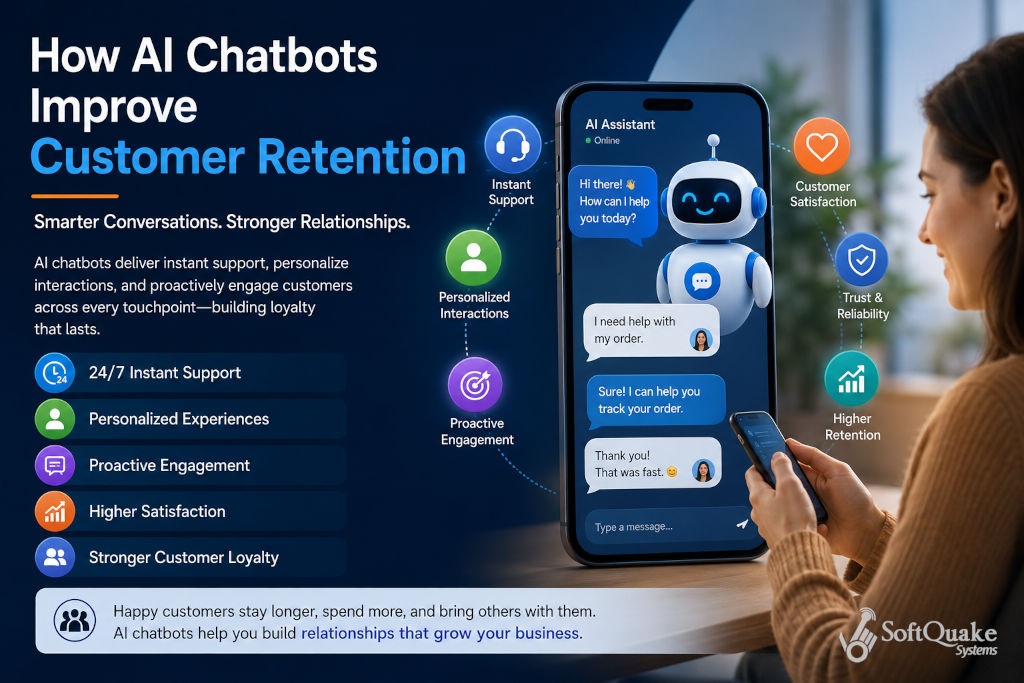
c) AI Chatbots & Virtual Assistants
24/7 customer support powered by natural language processing.
- Example: A customer asking at 2 AM, “Where’s my order?”—AI instantly provides tracking updates and suggests new arrivals.
d) Inventory & Supply Chain Optimization
AI predicts demand spikes, automates restocking, and reduces warehouse inefficiencies.
e) Fraud Detection & Security
Machine learning models detect unusual payment activity, protecting both businesses and customers.
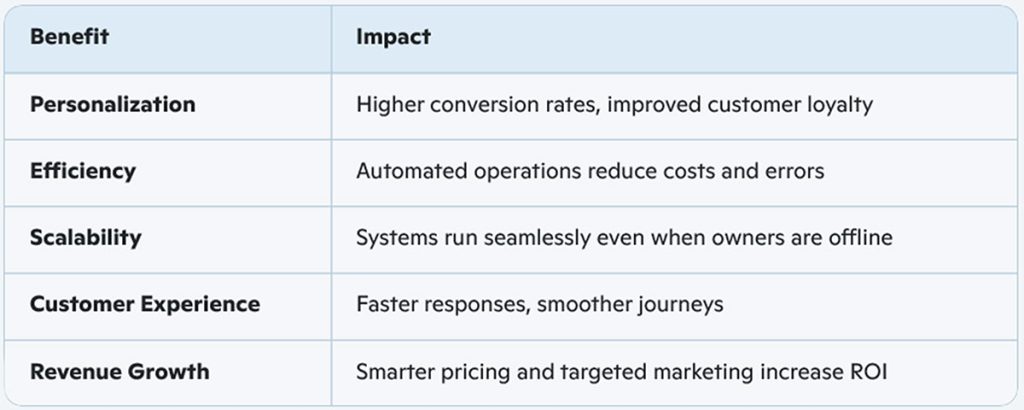
3. Benefits of AI in E-commerce
4. The AI Paradox: Why Many Brands Fail
Despite widespread adoption, 73% of e-commerce brands struggle to see ROI from AI investments. The issue isn’t technology—it’s strategy.
- Feature vs. System: Many treat AI as a feature (chatbot, recommendation engine) rather than a holistic system.
- Vague Metrics: Brands often fail to measure AI’s impact beyond vanity metrics.
- Top Performers: The successful 27% integrate AI into every layer—marketing, logistics, customer service, and product design.
5. Emerging Trends in 2026
a) Hyper-Personalized Shopping Journeys
AI curates entire shopping experiences, from homepage design to checkout flow, unique to each user.
b) Voice & Visual Search
Consumers increasingly use voice assistants and image recognition to shop.
c) Generative AI for Content
AI creates product descriptions, ad copy, and even lifestyle imagery tailored to target demographics.
d) Sustainability & Ethical AI
Brands use AI to optimize eco-friendly logistics and reduce waste.
e) Predictive Marketing
Campaigns are launched based on forecasted customer moods, seasonal trends, and cultural events.
6. Challenges & Risks
- Data Privacy: Balancing personalization with consumer trust.
- Bias in Algorithms: Risk of reinforcing stereotypes or excluding demographics.
- Over-Automation: Losing the human touch in customer interactions.
- Integration Costs: Small businesses struggle with upfront investment.
7. Future Outlook
By 2030, AI will likely evolve into autonomous commerce ecosystems, where:
- Stores self-manage inventory, marketing, and customer engagement.
- AI agents negotiate directly with customers on pricing and bundles.
- Shopping becomes less transactional and more experiential, blending entertainment, community, and retail.
Conclusion
AI in e-commerce is no longer futuristic—it’s the present reality. The winners will be those who treat AI not as a tool but as a strategic system that powers every aspect of digital retail.
For businesses, the challenge is clear: embrace AI holistically, measure its impact rigorously, and balance automation with human empathy. For consumers, the future promises shopping experiences that are faster, smarter, and more personal than ever before.